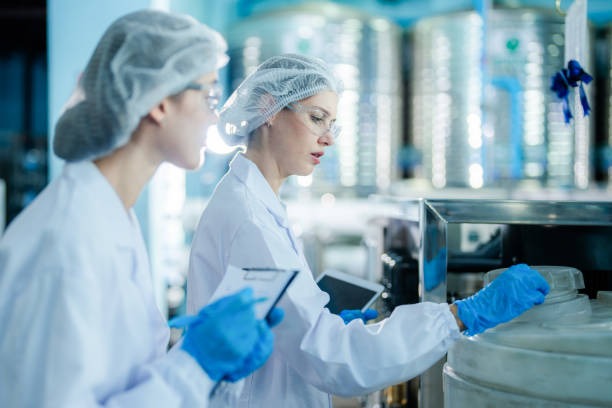

Technology Transfer
Technology transfer is a critical phase that ensures knowledge, processes, and quality controls developed during formulation and development are accurately carried into commercial manufacturing. SD Nutra offers Technology Transfer services to support a smooth, controlled transition from development to full-scale production.
This approach helps nutraceutical brands reduce variability, minimise delays, and maintain consistency as products move from pilot stages to commercial manufacturing.
Technology transfer is treated as a structured and collaborative process rather than a simple handover. Teams work across development, manufacturing, quality, and packaging to ensure product knowledge is retained and applied consistently during scale-up.
Our approach focuses on:
This structured approach supports continuity and repeatability in manufacturing outcomes.
Technology transfer is supported across key stages to ensure smooth transition into production.
Key stages include:
This coordinated approach enables controlled and confident scale-up.
Technology transfer is closely integrated with CDMO and manufacturing operations, ensuring alignment between development and production.
This integration supports:
Quality and documentation are central to successful technology transfer, ensuring that processes are accurately replicated during manufacturing.
This includes:
Ideal for:
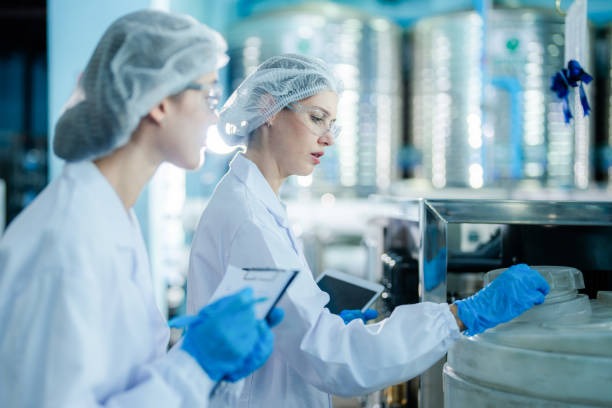
Why Brands Choose SD Nutra for Technology Transfer
Key advantages include:
What is technology transfer in nutraceutical manufacturing?
It involves transferring formulation knowledge, process parameters, and quality controls into commercial manufacturing.
Is technology transfer required before commercial manufacturing?
Yes, it ensures products developed at pilot stages can be consistently manufactured at scale.
Is technology transfer integrated with SD Nutra’s CDMO services?
Yes, it is closely integrated.
Can SD Nutra support scale-up during technology transfer?
Yes, services support transition from pilot to commercial production.
Does technology transfer include quality alignment?
Yes, documentation and quality systems are key components.
Can SD Nutra manage technology transfer for export-oriented products?
Yes, services support both domestic and export-oriented manufacturing.
Preparing to move your nutraceutical product from development to commercial manufacturing?
Connect with the SD Nutra team to discuss your technology transfer requirements.

SD Nutra is a nutraceutical and probiotic supplement manufacturer and exporter based in Hyderabad, India, specialising in contract manufacturing and third-party manufacturing for food supplements.
ⓒCopyright 2026 SD Life Sciences . All rights reserved
Designed & Developed By Colour Moon Technologies


